
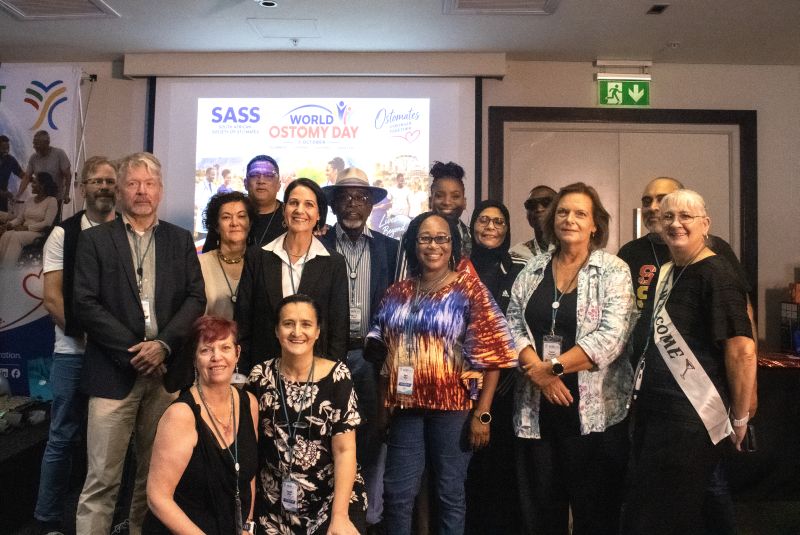
Celebrating progress on World Ostomy Day while confronting the realities of equitable ostomy care in South Africa.
On 2–3 October 2026, The South African Society of Stomates (SASS) brought together healthcare professionals, advocates and international delegates in Cape Town for the SASS2026 Scientific Conference, themed “Complex Wounds, Complex Patients: The Ostomy Challenge.”
Held over World Ostomy Day on 3 October, the conference created an opportunity to focus on the complexities of ostomy care, strengthen multidisciplinary collaboration and explore how healthcare professionals can better support people living with a stoma.
But it also brought an important question into focus: how do we turn better knowledge into better care that patients can actually access?
At SASS, our message remains simple: we must treat the whole person, not just the “hole” or the disease.
Why this conversation matters
SASS estimates that approximately 820,000 people in South Africa live with a stoma, while fewer than 100 qualified stoma nurses serve this community.
Behind these figures are people navigating challenges that are often invisible to others. Leakage, peristomal skin damage, poorly fitting appliances and limited access to reliable ostomy supplies can affect physical comfort, dignity, confidence, relationships, employment and overall quality of life.
Ostomy care cannot be separated from wound care, rehabilitation, nutrition or psychosocial support. When these areas are addressed together, healthcare professionals are better equipped to understand the complex needs of their patients.
This was the thinking behind SASS2026: creating a space where different disciplines could come together, learn from one another and explore how care can become more coordinated, practical and patient-centred.
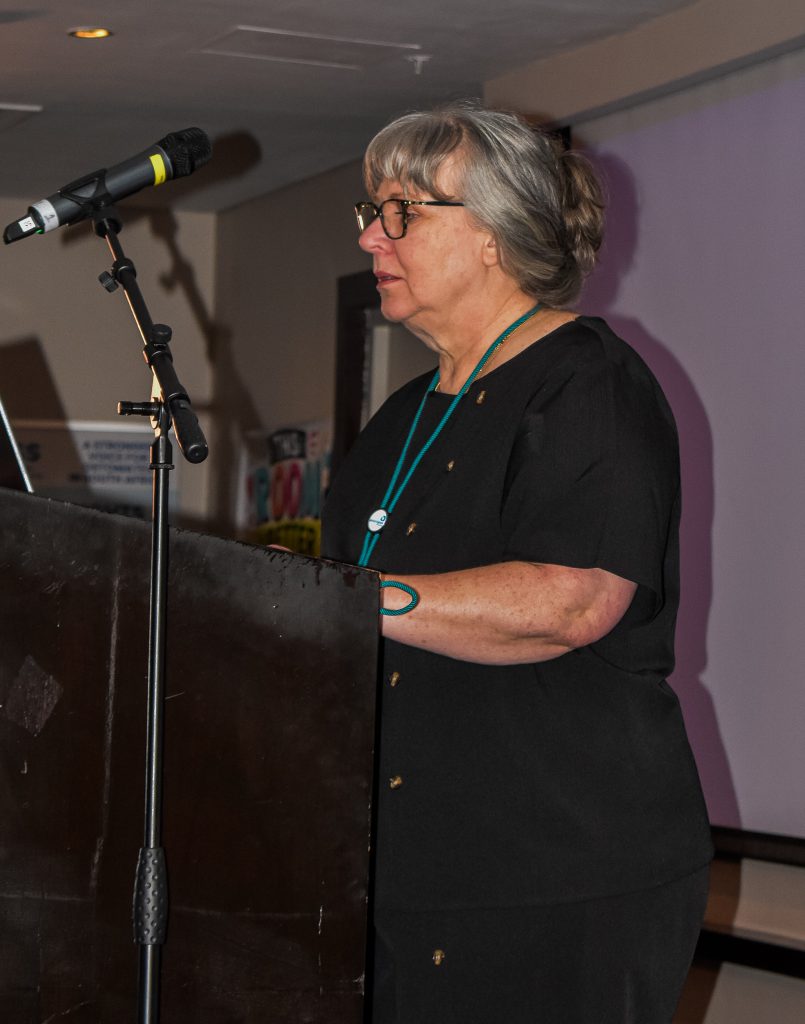
Two days of learning, collaboration and connection
The scientific programme explored the many dimensions of complex ostomy care, including multidisciplinary care, clinical decision-making, surgical and medical insights, rehabilitation, nutrition, psychosocial support and digital health.
Our Conference Chair and Clinical Lead, Sr Jolanda Janse van Noordwyk, played an important role in bringing the programme together and ensuring that the conference addressed the realities faced by healthcare professionals and the people they care for.
SASS2026 also welcomed delegates from 12 countries, creating opportunities to exchange experiences across different healthcare systems and resource settings. This international participation reminded us that, while the challenges may differ from country to country, the need for compassionate, informed and equitable ostomy care is shared.
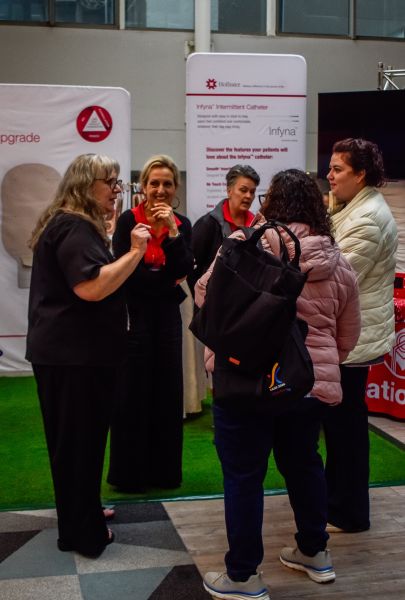
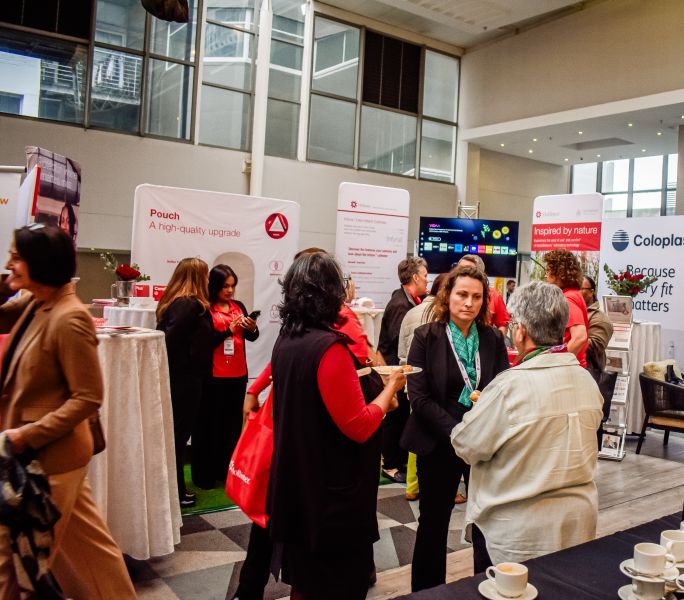
The conference was supported by partners and contributors who invested their time, knowledge and resources in advancing the conversation around ostomy care. We are grateful to everyone who helped make this gathering possible.
The conference was also allocated 10 CPD points — nine Clinical and one Ethical — for delegates who attended both full days, with support for the CPD accreditation process from Sefako Makgatho Health Sciences University (SMU), through its Department of Human Nutrition and Dietetics.
Recognising the nurses who make a difference
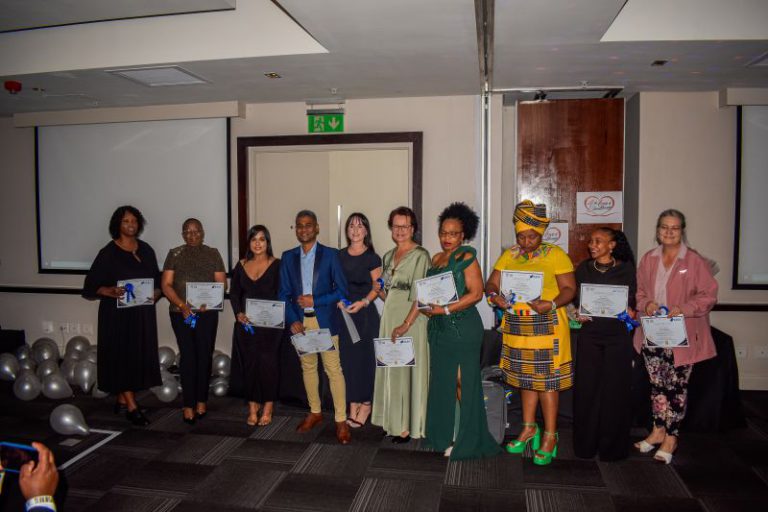
One of the highlights of the SASS2026 Gala Dinner was the presentation of our Nurse Appreciation Awards.
Nominations came from patients, family members and colleagues — people who wanted to recognise nurses whose care had made a meaningful difference in their lives or the lives of others.
We congratulate our three recipients:
Lola Cupido — Livingstone Hospital
Lindiwe Dyamara — Chris Hani Baragwanath Hospital
Lungile Zavala — Thelle Mogoerane Regional Hospital
These awards were about more than celebrating individual achievement. They were an opportunity to recognise the compassion, commitment and skill that nurses bring to ostomy care, often while working under considerable pressure.
When specialist nursing resources are limited, the contribution of every dedicated professional matters. We are proud to celebrate these nurses and the difference they make.
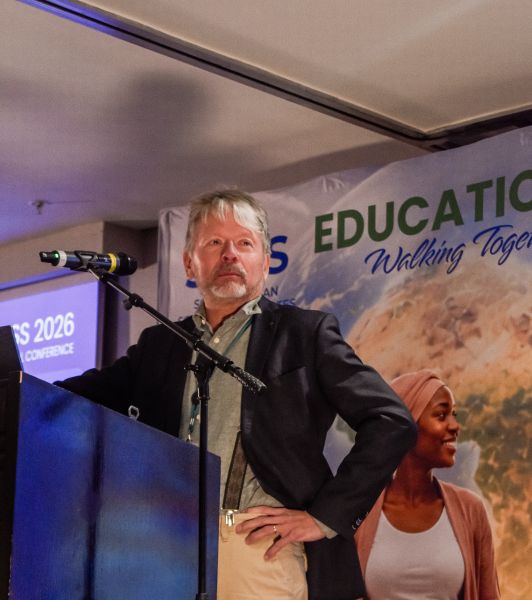
World Ostomy Day: Celebrating Progress, Listening to Patients, Confronting Reality
There was something particularly significant about SASS2026 taking place over World Ostomy Day on 3 October. While the day shines a spotlight on the lives of people living with a stoma, we made a conscious decision to direct the conference’s scientific programme towards the multidisciplinary healthcare teams responsible for their care.
This was a deliberate choice. Improving the lives of ostomates requires more than raising awareness. It requires healthcare professionals who understand the complexities of ostomy care, can recognise and manage complications, and have the knowledge to help patients achieve the best possible quality of life.
Importantly, the patient voice was not absent from this conversation. SASS2026 welcomed delegates from across the world who are themselves living with a stoma. They shared their experiences of care in their respective countries, giving healthcare professionals and fellow delegates the opportunity to learn not only from clinical expertise, but also from the realities of living with a stoma every day.
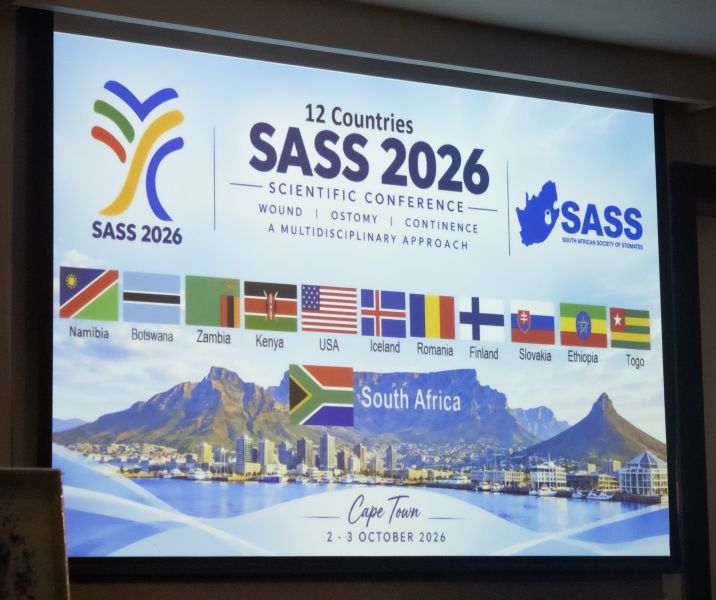
We heard about countries where access to specialist care and ostomy products may be more readily available, offering insight into what is possible when patients have access to appropriate support and resources. Equally, these exchanges helped us recognise that, despite the significant challenges facing South Africa, there are areas of care and practice from which we can build. These conversations were not about comparing healthcare systems to declare winners or losers, but about learning honestly from one another and identifying opportunities to improve.
Yet, one difficult reality remains.
At SASS2026, healthcare professionals had opportunities to learn about advances in ostomy and wound care, including approaches and products that may help manage leakage, protect vulnerable skin and improve patient comfort. But when some of these professionals return to public-sector clinics, they may not have access to the products or resources needed to put that knowledge into practice.
What is the value of knowing what could help a patient if the system cannot provide it?
This is one of the challenges at the heart of equitable ostomy care in South Africa. Appropriate care is not simply about knowing which products or approaches are available. It is about whether healthcare professionals can provide care that meets each patient’s needs, and whether patients can access the supplies and services required to support their health, dignity and quality of life.
This is why education must go hand in hand with advocacy, better planning, reliable access to essential supplies and recognition of the realities faced by healthcare professionals working in resource-constrained settings. Knowledge is essential, but it must be supported by systems that allow it to translate into meaningful improvements in patient care.
Our decision to focus SASS2026 on multidisciplinary healthcare teams was an investment in the people who care for ostomates every day. Bringing these professionals together with the voices of people living with a stoma reinforced the importance of seeing the whole person, understanding their individual circumstances and working towards care that is both clinically appropriate and practically accessible.
On World Ostomy Day, we celebrated the progress being made, listened to the experiences of ostomates from different parts of the world, and confronted the inequalities that continue to affect access to care.
Every ostomate deserves more than knowing that better care is possible. They deserve a fair opportunity to receive it.
What did delegates think?
The feedback from SASS2026 was encouraging.
We received 40 completed conference evaluation forms. Across 19 rating questions, the average score was 4.66 out of 5. Of the 760 individual ratings recorded, 732 — or 96.3% — were scores of four or five. All 40 respondents said they would recommend the CPD activity to colleagues.
Delegates highlighted the relevance of the programme, the opportunity to learn from experienced speakers and the value of networking and knowledge sharing.
One respondent captured the experience simply:
“Learned a lot. Great networking and knowledge sharing space.”
We also received valuable suggestions for future programmes, including more discussion on the psychological impact of stoma formation, body image, intimacy, fistula pouching systems and access to ostomy products in the public sector.
This feedback gives us direction as we continue developing education and advocacy that responds to the realities of ostomy care.
Looking ahead: turning conversation into action
SASS2026 was an important milestone, but our work continues beyond the conference venue.
We will keep advocating for reliable access to ostomy supplies, better support for people living with a stoma, and improved education for healthcare professionals. We also want to build on the relationships formed through SASS2026 and encourage continued collaboration across disciplines and borders.
Our SASSLink ostomy registry initiative is another part of this journey. By strengthening the information available about people living with a stoma and their needs, we aim to build an evidence base that can support better planning, service improvement and informed discussions about supplies and resources.
We know that one conference cannot solve every challenge facing ostomates in South Africa.
But it can create connections, raise important questions, share knowledge and help build momentum for change.
That is what SASS2026 set out to do.
Thank you for being part of the journey
To our speakers, delegates, partners, sponsors, volunteers, organisers and international guests: thank you for helping make SASS2026 a meaningful gathering.
A special thank you to Sr Jolanda Janse van Noordwyk for her leadership of the scientific programme, and to everyone who contributed their knowledge, experience and time.
Most importantly, thank you to the people living with a stoma whose experiences continue to guide our work. Your voices remind us why this matters.
At SASS, we will continue working towards a future where every person living with a stoma has access to the care, supplies, information and support they need to live with dignity.
Because better ostomy care starts when we see the whole person.
The South African Society of Stomates (SASS)
Stronger Together.